
What Are the Best Business Products to Sell Right Now?
Choosing the right business products to sell in 2026 matters more than ever. Competition across online marketplaces has intensified, advertising costs continue climbing, and customers expect fast shipping plus high quality products. The sellers who win are those who identify trending products early, validate consumer demand before investing, and position themselves in a less competitive niche rather than fighting for scraps in oversaturated markets.
This article covers 25 product ideas grouped into physical goods, digital products, and subscription models. Whether you’re a complete beginner looking to start an ecommerce business or an established brand searching for your next product line, you’ll find concrete options backed by market trends and real sales data.
Right now, items like wide-leg pants, personalized blankets, and stainless steel drinkware are showing strong search interest and steady demand. The global health and wellness market is projected to expand from $6.57 trillion in 2024 to nearly $11 trillion by 2034. Mobile electronics accessories continue their 7% year-over-year growth trajectory. These aren’t hunches—they’re signals you can act on.
Additionally, AI-powered supplement brands such as BrandMeNow.ai are gaining attention by offering personalized, high-quality health products that meet growing consumer expectations for customized wellness. These brands exemplify how integrating technology with product development can tap into the booming supplements market.
The next sections dive straight into specific product ideas first, then cover research and validation tactics so you can move from ideas to launch with confidence.
Trending Apparel Products to Sell
Apparel remains one of the biggest ecommerce categories worldwide, but successful sellers in 2026 focus on specific niches, distinctive fits, and quality materials rather than trying to compete with fast fashion giants on price alone.
Oversized apparel continues to dominate casual fashion, with oversized t-shirts and hoodies in neutral colors like beige, mocha, and faded black showing consistent demand. Search interest for “oversized tee” and “baggy hoodie” has climbed steadily over the past 12 months. These pieces work for everyday wear across demographics, making them ideal for brands targeting a broad audience without diluting their positioning.
Wide-leg pants represent a fast-rising style that’s gained popularity as consumers move away from skinny silhouettes. Popular variants include wide-leg linen pants for warm weather, wide-leg athletic joggers for athleisure, and structured wide-leg trousers for office-friendly casualwear. Google Trends shows increasing searches over the last year, signaling this isn’t a one-week fad but a genuine shift in preference.
Athleisure and yoga apparel sets—matching leggings and sports bras, flare yoga pants, and cotton yoga tops—continue selling well as consumers seek pieces that transition from the gym to daily errands. The key differentiator is fabric quality and fit consistency across items. Brands that nail the “matching set” aesthetic at competitive prices attract customers who want a complete look without mixing and matching.
Embroidered and printed apparel offers a way to differentiate through branding and premium positioning. Embroidered crewnecks, minimalist logo caps, and all-over print shirts command higher price points than basic blanks. Print-on-demand services make this accessible without holding inventory, though quality control becomes essential.
Consider targeting specific audiences to carve out a less competitive niche: dance class outfits for barre and pilates enthusiasts, festival outfits with bold prints and mesh details, or elevated basics for creative professionals who want polished casualwear. The more specific your customer avatar, the easier your marketing campaigns become.

Beauty, Wellness, and Personal Care Products
Beauty and wellness continue their upward trajectory, with strong consumer demand for skincare, supplements, and self-care products. The global health and wellness market is expected to expand significantly through 2034, driven by heightened awareness of preventive care and quality-of-life improvements. This isn’t a trend—it’s a structural shift in how people spend.
Skincare products like moisturizers, serums, and sunscreens remain consistently strong sellers. Trending ingredients include niacinamide for pore refinement, snail mucin for hydration, vitamin C for brightening, and beef tallow for those seeking traditional, natural formulations. Bundling products into clear routines (cleanser + serum + SPF) increases average order value and positions your brand as a trusted guide rather than just a vendor.
Makeup staples such as lip stains, mascara, and brow products maintain steady demand, with particular interest in long-wear formulas and minimalist “no-makeup” makeup kits popularized on TikTok and Instagram. The key is identifying which specific sub-niche you can serve exceptionally well—everyday office makeup, bold editorial looks, or clean beauty formulations each represent distinct market segments.
Vitamins and supplements represent a high demand products category with strong repeat purchases, but require careful attention to compliance and quality controls. Specific high-interest products include collagen powder for skin and joint health, mushroom gummies for focus and energy, and pet supplements for health-conscious pet owners. Working with reputable manufacturers and clearly communicating ingredients builds the trust necessary for ongoing demand. Brands like BrandMeNow.ai are innovating in this space by leveraging AI to create personalized supplement blends tailored to individual health profiles, meeting customer expectations for customization and quality.
Self-care products like candles, bath salts, and bath bombs tap into the growing emphasis on at-home relaxation. Natural ingredients and relaxing scents (lavender, sandalwood, eucalyptus) resonate strongly, as do giftable sets that work for holidays and special occasions. These products often benefit from beautiful packaging that photographs well for social media platforms.
Subscription vitamin boxes and direct-to-consumer skincare brands have demonstrated that these products can be wrapped in compelling brand stories. The product itself matters, but so does the experience of receiving and using it.

Home & Living Products With Steady Demand
Home products tend to have stable, year-round demand and strong repeat purchase potential. People continually upgrade their living spaces, replace worn items, and respond to seasonal shifts—creating consistent sales opportunities for sellers who position themselves correctly.
Bedding essentials like linen sheets, flannel sheets, pillowcases, and duvet covers sell reliably across demographics. For 2026, focus on breathable fabrics, organic cotton certifications, and neutral color palettes that appeal to customers seeking a calming bedroom aesthetic. Premium positioning with clear material specifications justifies higher price points.
Blankets and throws offer multiple angles for differentiation. Personalized photo blankets work well for gifts, holiday-themed throws generate strong Q4 sales, and sherpa blankets spike in search interest every winter. These products benefit from seasonal marketing campaigns and can be bundled with complementary items.
Home fragrances and decor such as soy candles, reed diffusers, wall art prints, and framed landscape photography are ideal for print-on-demand or small-batch production. Margins can be strong when you control design and branding. Consistent demand for cozy, aesthetically pleasing home environments keeps this category evergreen.
Kitchen and dining gadgets like air fryers, milk frothers, and compact blenders continue showing growth in Google Trends as consumers invest in making daily cooking easier. These products often serve as entry points for customers who then purchase accessories, replacement parts, or related items.
Cross-selling strategies work particularly well in home goods. Offering “cozy home” bundles (blanket + candle + mug) or “new apartment” starter sets raises average order value while providing genuine utility to customers setting up or refreshing their spaces.
Electronics, Phone Accessories, and Gaming Gear
Electronics and accessories are competitive but consistently high demand categories, especially when sellers niche down or create thoughtful product bundles. The global mobile electronics accessories market is projected to reach $111 billion by 2025, with over half generated by US consumers alone.
Phone accessories like MagSafe phone cases, wireless chargers, car mounts, and AirPods cases benefit from frequent device upgrades and gifting seasons. Every new iPhone or Samsung release creates a wave of customers needing new accessories. The key is offering products that work reliably and look premium enough to justify competitive prices over generic alternatives.
Small home electronics including portable projectors, Bluetooth speakers, and smart plugs serve home offices and dorm rooms effectively. These products benefit from clear spec sheets, comparison charts, and content that helps customers understand exactly what they’re getting. Detailed product pages reduce returns and build trust.
Gaming accessories—gaming mice, mechanical keyboards, extended mouse pads, and wireless headsets—tap into a growing global gamer base showing steady growth in related search terms. This trending product category responds well to content marketing: YouTube reviews, Twitch streams, and TikTok short demos drive discovery and conversions.
When selling tech products, reliable suppliers and thorough product testing become non-negotiable. Build relationships with suppliers who can provide consistent quality, test products personally before listing them, and offer straightforward return policies. A single batch of defective items can generate reviews that tank your entire product line.

Pet and Baby Products Customers Keep Re-Buying
Pet and baby markets are remarkably resilient: owners and parents continually purchase essentials and upgrades, creating ongoing demand that persists through economic fluctuations. Pet supplies in particular have proven recession-proof, as owners prioritize their animals’ wellbeing even during tight budgets.
Pet supplies like stainless steel cat and dog bowls, slow-feed dog bowls, durable leashes, and customizable pet tags and bandanas maintain steady demand. Health-focused pet products and travel accessories have seen particular growth as pet ownership increases and owners treat their animals as family members. These products generate repeat purchases as items wear out or pets grow.
Pet wellness items such as joint supplements, multivitamins, and calming chews represent a growing segment within the broader pet products category. Strong compliance with local regulations and clear ingredient communication are essential—pet owners research carefully before giving their animals supplements.
Baby products including bamboo baby clothing, non-toxic baby sunscreen, silicone feeding sets, and educational toys command premium pricing from parents willing to pay more for safety and quality. Safety certifications and clear material specifications matter enormously in this category. The global market is projected to exceed $5 billion in 2025 revenue, with peaks during holidays and back-to-school seasons.
Consider positioning your brand around specific life stages to attract customers and build loyalty. A “new puppy kit” might include a small stainless steel bowl, adjustable collar, training treat pouch, and first-year health guide. A “newborn starter box” could bundle bamboo onesies, a silicone bib, organic burp cloths, and a developmental milestone card set. These bundles simplify purchasing decisions while increasing order value.
Arts, Crafts, and Creative Hobby Products
Creative hobbies surged during and after 2020-2023 and continue strong thanks to social media inspiration on platforms like Pinterest, TikTok, and Instagram. People are seeking offline activities that produce tangible results and provide stress relief.
Physical craft supplies such as organic yarn, crochet hooks, watercolor sets, and premium sketchbooks maintain sustained interest. Crochet kits in particular have shown consistent demand as the craft experiences renewed popularity among younger demographics. Eco-friendly materials and beginner-friendly kits lower the barrier to entry for new hobbyists.
Arts and coloring products like adult coloring books, mandala workbooks, and paint-by-number kits appeal as stress-relief tools and gift items. These products work well for customers who want a creative outlet without the intimidation of starting from a blank canvas. Seasonal themes (holiday coloring books, travel-themed paint sets) create natural promotional opportunities.
Digital products for creators—downloadable crochet patterns, Procreate brush sets, and printable planner templates—require no inventory and offer high profit margin potential. These digital downloads can be sold on platforms like Etsy or through your own website, with delivery automated entirely. A single well-designed pattern or brush set can generate passive income for years.
Showcasing usage examples through photos or short videos (before/after shots, step-by-step progressions) dramatically increases conversion rates. Customers want to envision themselves successfully completing projects, and visual proof removes doubt about whether they can achieve similar results.
Food, Beverage, and Kitchen Products
Food, drink, and kitchen niches can be highly lucrative but require attention to regulations, storage, and shipping logistics. Products that travel well and don’t require refrigeration generally work best for smaller sellers.
Specialty foods like high-quality beef, grass-fed meat subscription boxes, and regional delicacies succeed when emphasizing traceability, origin stories, and ethical sourcing. Consumers increasingly care about where their food comes from and how it was produced. Tea sales have exploded online due to flavor variety, with the market growing 5.5% year-over-year through at least 2025. Coffee subscriptions and wholesale beans similarly benefit from customization options and adjustable margins.
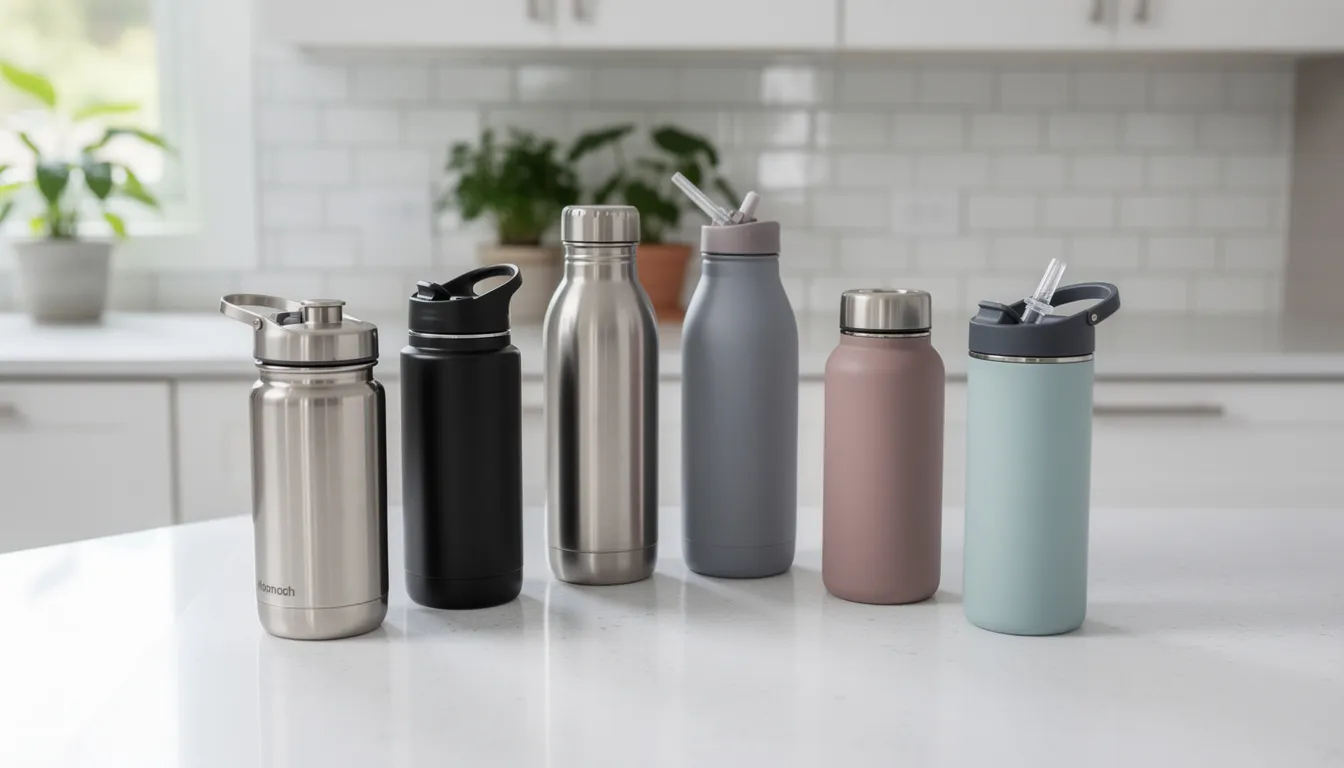
Drinkware such as stainless steel bottles, insulated tumblers, and glass coffee cups shows rising interest as consumers move toward reusable options. Gifting sets (matching bottle + tumbler + cleaning brush) work well for holidays and occasions. These products ship easily and generate good profit margin when sourced correctly.
Alcohol-adjacent products like wine racks, barware kits, and alcohol-free cocktail mixers ride on the growth of wine culture and zero-proof beverages without the licensing complexity of selling alcohol directly. This niche products category has grown steadily as sober-curious consumers seek sophisticated alternatives.
Multipurpose kitchen tools—non-stick pans, durable skillets, and compact air fryers—address practical needs with clear value propositions. Brands like Our Place built substantial followings around a single hero product (the Always Pan), demonstrating that focus and strong positioning can outperform a scattered product catalog.
Home, Garden, and Outdoor Lifestyle Products
People continue investing in homes, patios, and outdoor experiences, creating demand for both decor and gear. US sports equipment revenue is forecasted to rise by $3.5 billion between 2025 and 2029 to reach $23.86 billion, signaling strong growth across outdoor and fitness categories.
Patio, lawn, and garden products such as raised garden beds, ergonomic hand tools, solar string lights, and outdoor cushions see seasonal peaks in spring and early summer. Planning product launches and marketing campaigns around these windows maximizes impact. Gardening has seen rapid growth as more people cultivate home food production and outdoor relaxation spaces.
Cycling and outdoor activity products like bike accessories (lights, racks, phone mounts), entry-level camping gear, and compact folding chairs serve weekend adventurers seeking quality without professional-grade price points. These products benefit from clear use-case photography and comparison content that helps customers choose the right option.
Sports and fitness items including resistance bands, yoga mats, adjustable dumbbells, and home workout kits connect to ongoing interest in at-home fitness that persisted well beyond pandemic-era necessity. Kids’ backyard soccer sets generate over $35,000 monthly on Amazon, camping chairs over $210,000, demonstrating the scale of opportunity in outdoor and sports categories.
A “beginner gardening set” bundling a raised bed kit, essential hand tools, seed starter pack, and growing guide illustrates how thoughtful product offerings increase value and simplify customer decisions. Similarly, a “home workout pack” with resistance bands, yoga mat, jump rope, and workout poster creates an entry point for fitness newcomers.
Digital Products and Online Services to Sell
Digital products represent low-inventory, high-margin business ideas suitable for solo entrepreneurs and creators. Once created, they can be sold infinitely without per-unit production costs, making them ideal for building scalable income.
Educational products like online courses, live workshops, and ebooks on topics such as coding, marketing, or DIY crafts tap into evergreen demand for skill-building content. Mini-courses completable in under two hours have proven highly profitable for beginners, offering focused value without overwhelming production requirements.
Downloadable templates and tools—Notion templates, financial trackers, social media content calendars, and resume or portfolio templates for freelancers—solve specific problems with immediate utility. These products work well when paired with demonstration videos showing exactly how customers will use them.
Membership sites or subscription communities offering monthly content, group coaching, or niche communities create recurring revenue streams. Examples include private groups for Etsy sellers, monthly fitness challenges, or language learning communities. The key is providing ongoing value that justifies continued membership.
Delivery platforms like Teachable, Kajabi, and Gumroad handle access management and payment processing, while self-hosted Shopify stores with digital delivery apps offer more brand control. Automating access and updates frees you to focus on creating additional products rather than managing fulfillment.
How to Research and Validate Business Products to Sell
Picking a product is only the first step. Validation prevents wasting time and money on low-demand ideas that look promising but fail to generate consistent sales.
Use Google Trends to compare 2-3 product ideas over the last 12 months. Look for consistent upward trends or stable search interest rather than spike-and-crash patterns that indicate one-week fads. The “interest over time” graph reveals whether demand is growing, shrinking, or holding steady—information that shapes inventory decisions.
Check bestseller pages on platforms like Amazon, Etsy, and niche marketplaces to see real-time signals of customer demand. Products consistently appearing in top lists indicate proven demand, while their reviews reveal what customers love and hate. Pay attention to product categories with multiple successful sellers rather than monopolized by one dominant brand.
Read customer reviews obsessively. Complaints and feature gaps (“too small,” “color wore off after washing,” “wish it came in different sizes”) reveal opportunities to create improved versions or position your product as the solution to common frustrations. Review mining is one of the most underrated forms of thorough market research.
Run small-scale tests before committing to bulk inventory. Pre-order campaigns gauge interest, limited runs of 50-100 units test real-world demand, and simple ad campaigns to landing pages measure click-through and conversion rates. A validation mini-checklist looks like this: first, confirm consistent search interest over 6+ months; second, verify at least 3-5 competitors selling successfully (proving demand exists); third, identify a clear angle for differentiation; fourth, test with minimum viable inventory or pre-orders; fifth, analyze early sales data before scaling.
Marketing Tips to Actually Sell Your Products
Having the right product is necessary but not sufficient—visibility and trust drive sales. Even the best products fail when nobody knows they exist.
Basic SEO for product pages starts with including main keywords in titles, descriptions, and image alt text. Write benefit-driven copy that addresses specific problems rather than just listing features. A product description for a slow-feed dog bowl shouldn’t just say “slows eating”—it should explain how this prevents bloat, reduces vomiting, and extends mealtime enrichment.
Social media marketing strategies vary by product category. TikTok product demos work well for gadgets and beauty products. Instagram Reels try-ons suit apparel. Pinterest boards drive traffic for home decor, crafts, and aspirational lifestyle products. Match the platform to where your target customers actually spend time.
Email marketing remains one of the highest-ROI channels for ecommerce. Abandoned cart flows recover lost sales, welcome sequences build trust with new subscribers, and seasonal promotion campaigns (back-to-school, holiday gift guides in Q4) drive concentrated revenue. Build your list from day one—it’s an owned asset that doesn’t depend on algorithm changes.
Influencer and affiliate partnerships extend reach efficiently when executed well. Micro-influencers with engaged followings (pet accounts, gamer streamers, beauty creators) often outperform celebrities for niche products. Clear commission structures (typically 10-20% for affiliates) and detailed briefs ensure partners represent your brand accurately.
Monitor core metrics including conversion rate, average order value, and repeat purchase rate. These numbers reveal what’s working and what needs adjustment. If conversion rate is low, improve product pages. If average order value is low, create bundles. If repeat purchases are rare, focus on customer experience and follow-up communication.