Is Being a Health, Wellness, and Fitness Influencer Profitable in 2026?
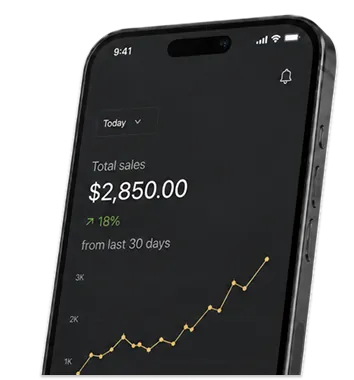
- The global creator economy is projected to exceed $250 billion by mid-decade, with health, wellness, and fitness remaining one of the most brand-friendly niches for sponsorships, partnerships, and supplement sales.
- Income tiers vary widely:
- Beginners (under 10k followers): A few hundred dollars per month from affiliate links and small brand deals
There are many fitness business ideas available for those looking to make money in fitness, from online coaching and digital products to targeting niche markets. Choosing the right path for your skills and audience is key to maximizing your earning potential.
- Mid-tier (50k–250k followers): Low to mid five figures annually from diversified streams
- Top influencers: Six figures or more from coaching, courses, memberships, supplement brands, and major sponsorships
- Nano-influencers (under 10k) typically earn $150–$600 per sponsored post, while elite creators command $10,000–$20,000+ for a single partnership.
- Profitability scales fastest when you own your offers—coaching services, training programs, memberships, and supplement lines generate higher margins than platform ad revenue alone.
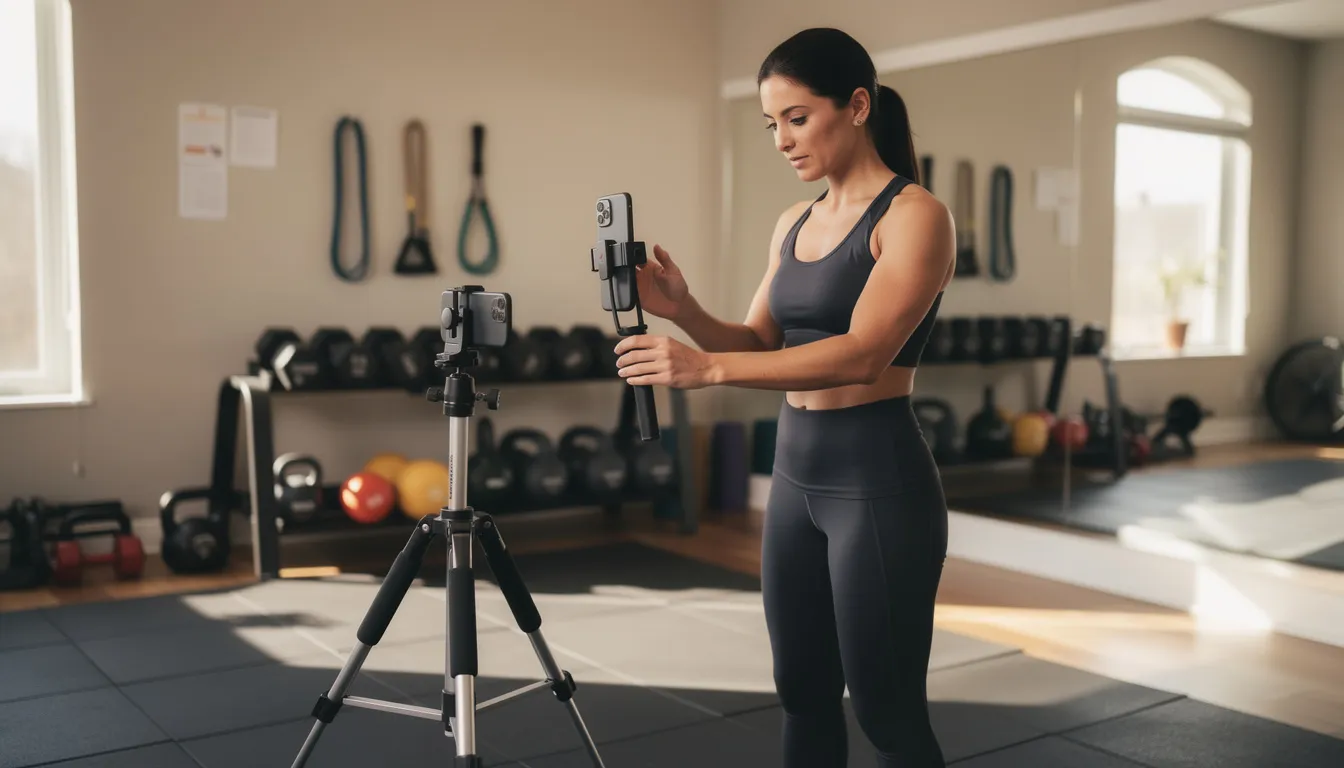
- Main cost factors in 2026 include software subscriptions (email marketing, coaching apps), basic filming gear, supplement manufacturing, and potentially editors or virtual assistants as your business grows.
Step 1: Define and Position Your Health, Wellness, and Fitness Niche
Clear positioning is the foundation for every monetization method. Without a defined target audience and specific problem you solve, your content blends into the millions of other accounts competing for attention.
- Choose a specific audience and problem rather than trying to appeal to everyone. Examples:
- Postpartum strength for new moms returning to exercise
- Desk workers dealing with back pain and poor posture
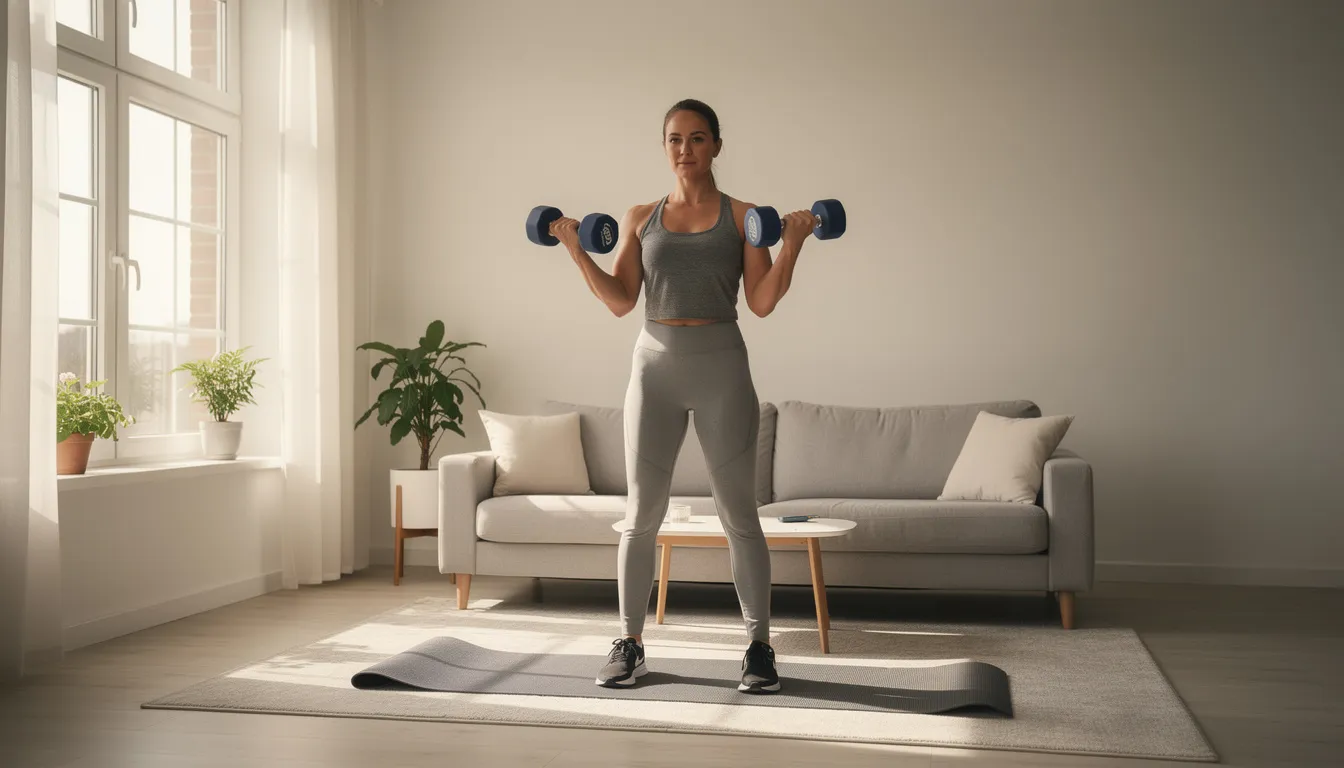
- Home dumbbell workouts for beginners with no gym access
- Holistic wellness for busy professionals balancing stress and fitness
- Helping clients achieve specific health goals through customized workout plans and creating meal plans tailored to their needs
- Research competing influencers on Instagram, TikTok, and YouTube to identify what’s working and where gaps exist. Look for underserved audiences or angles that aren’t saturated.
- Create a simple positioning statement that guides all content and offers:
“I help [specific audience] achieve [specific health, wellness, or fitness goal] through [your unique method or approach].”
- Align your niche with your personal story and wellness journey. Authenticity builds credibility and resonates with followers. Leverage your fitness knowledge to provide unique value to your target audience through specialized content, digital products, or coaching.
- Remember: health and wellness enthusiasts follow people who understand their specific struggles. A postpartum mom won’t connect with generic “get shredded” content aimed at 22-year-old gym bros.
Step 2: Build a Recognizable Health, Wellness, and Fitness Brand
Your personal brand is what separates you from thousands of other accounts. It’s the combination of visual identity, voice, and reputation that makes people remember you and trust your recommendations.
- Visual brand basics: Use consistent colors, fonts, and a logo across Instagram, TikTok, YouTube banners, and your own website. This creates instant recognition as your audience encounters you across online platforms.
- Choose a clear brand name: Either use your real name plus a descriptor (“Jordan Lee Wellness” or “Coach Maya Mobility”) or create a memorable brand identity that reflects your niche.
- Set up a professional website in 2026 with essential pages:
- About page sharing your story and credentials
- Services page outlining coaching and program options
- Shop page for digital products, merchandise, and supplements
- Contact or inquiry form for brand partnerships and client applications
As your brand grows, you might consider launching a fitness app (distributed via the Google Play Store), opening a fitness studio, or starting an online store to expand your business and create additional revenue streams.
- Define your brand voice: Decide if your tone is science-based, motivational, humorous, or tough-love—then keep captions and video scripts consistent. Your audience should recognize your content even without seeing your face.
- Collect social proof early: Before/after photos from 2024–2026 clients, written testimonials, and video reviews build trust. Display them prominently on your website and in content to attract potential clients.
- Consider building your own supplement brand: Supplements are a booming segment of the health and wellness industry. Using platforms like BrandMeNow.ai, you can quickly develop a professional brand identity, design logos, and create marketing materials to launch your supplement line efficiently. This adds a lucrative revenue stream and deepens your brand’s authority.
Step 3: Create Content That Attracts and Converts Followers
Content serves two distinct purposes: growing your audience and converting followers into paying customers. The best influencers create valuable content that does both simultaneously.
- Focus on 1–2 core platforms first. TikTok and Instagram Reels drive discovery through short-form video. YouTube builds deeper authority through longer educational content. Spreading yourself across five platforms dilutes your impact.
- Key content formats that perform in 2026:
- Quick health, wellness, and fitness tips (30–60 seconds) answering common questions
- Myth-busting clips that challenge popular misconceptions
- Full workout breakdowns with exercise routines and modifications
- “Day of eating” videos showing realistic nutrition plans and supplement usage
- Client transformation stories demonstrating your methods work
- Share content on your fitness YouTube channel and other fitness online platforms to reach a wider audience and build your brand.
- Basic posting rhythm: Aim for 4–6 short-form videos weekly plus one longer piece (YouTube video, carousel post, or blog article). Consistency beats intensity—pick a schedule you can maintain for 6–12 months.
- Add clear calls to action: Every piece of content should guide viewers toward the next step.
- “Comment ‘plan’ for my free 3-day program”
- “Link in bio for coaching applications and supplement shop”
- “Save this for your next leg day”
- Promote your selling workout plans and sell meal plans through your content to drive additional revenue streams.
- Use platform analytics to identify which topics, hooks, and posting times drive saves, shares, and profile visits. Double down on what’s working rather than guessing.
When creating educational content, leverage your extensive knowledge to produce in-depth videos on strength training, fitness trackers, and nutrition, helping your audience make informed decisions and positioning yourself as an expert.
Top 10 Ways to Make Money as a Health, Wellness, and Fitness Influencer in 2026
These are the main income streams available to creators right now. Most successful influencers combine several methods rather than relying on a single source.
Choosing the right business model—such as launching a coaching business, building an online fitness business, or focusing on online fitness—can help you create passive income streams and scale your impact.
The smart approach is starting with 1–2 methods that fit your current audience size and skills, then layering additional streams over 6–12 months as you grow. Each method below includes specific, actionable guidance for implementation.
Pick the options that align with your strengths: coaching first if you’re a certified personal trainer or nutrition coach, affiliate marketing if you’re just getting started with a smaller following, or supplement brand building if you have an entrepreneurial drive.
1. Brand Sponsorships and Sponsored Posts
Sponsored content is often the most visible income stream for influencers. Brands pay you to feature their products in social media posts, Stories, or video tutorials on platforms like Instagram, TikTok, and YouTube.
- Build an engaged audience first, then create a simple media kit showing your follower count, average views, engagement rate, and audience demographics. Pitch brands that align with your niche—supplements, fitness apparel, apps, and fitness equipment companies are actively seeking influencer partnerships.
2. Affiliate Marketing for Health and Fitness Products
Affiliate marketing lets you earn money by recommending products and earning commissions when followers purchase through your unique tracking links. It’s one of the most accessible ways to start earning, even with a smaller social media account.
3. Online Coaching and Personal Training
Online coaching is often the fastest path to full-time income for skilled trainers with small but engaged audiences. You don’t need 100k followers to make money online—you need 10–20 clients paying premium rates.
4. Selling Digital Workout Plans, Meal Plans, and Programs
Selling digital products creates passive income streams that scale to customers worldwide without trading your time for money. Once created, digital products generate revenue while you sleep. Offering customized workout plans is a popular way to meet individual client needs and can significantly increase your sales.
5. Launching a Subscription Membership or Community
Memberships provide recurring, predictable income in exchange for ongoing value. Instead of one-time sales, you build a community that pays monthly for continued access.
6. Selling Branded Merchandise, Fitness Products, and Supplements
Turning your brand into physical products creates an additional revenue stream while deepening audience connection. Fans wearing your apparel or using your supplements—including nutritional supplements, which are a popular product category for fitness influencers to sell—become walking billboards for your business online.
- Start with print-on-demand services for apparel and use supplement private labeling for your supplement brand.
- Platforms like BrandMeNow.ai can help you build a professional supplement brand identity quickly, including logos, packaging design, and marketing materials, making supplement brand creation accessible even for beginners.
7. Hosting Online Challenges, Workshops, and Events
Paid challenges and workshops create urgency, community energy, and high engagement that standalone products can’t match.
8. Fitness and Wellness Courses and Educational Products
Courses go beyond simple workout programs to teach the “why” behind training, nutrition, and wellness.
9. YouTube, Podcasts, and Ad Revenue
Long-form platforms generate income through advertising while building authority and trust that converts into higher-ticket sales.
10. Fitness Modeling, Media Work, and Speaking
Offline opportunities expand your income while boosting brand recognition and credibility.
Step 4: Turn Social Media Into a Sales Funnel
Followers don’t automatically become customers. You need a systematic approach to move people from casual viewers to paying clients one on one or through your digital products and supplement sales.
Step 5: Grow and Engage Your Audience Consistently
Sustainable business growth comes from consistent habits, not viral one-offs. An engaged audience of 10,000 outperforms a disengaged following of 100,000 for monetization.
Building a Community That Lasts
A thriving fitness business is built on more than just great workout plans or expert advice—it’s built on community. As a fitness influencer or entrepreneur, fostering a loyal group of fitness enthusiasts around your brand is essential for long-term business growth. Social media platforms are powerful tools for connecting with your audience, sharing your fitness journey, and creating a sense of belonging.
To build a community that lasts, focus on delivering consistent value through your content, whether it’s fitness tips, motivational posts, or interactive Q&A sessions. Hosting live webinars, online workshops, or fitness challenges can further strengthen engagement and encourage members to support each other. By actively participating in conversations and responding to feedback, you show that you genuinely care about your followers’ progress. This not only increases customer retention but also attracts new clients who are looking for a supportive and inspiring fitness community.
Step 6: Protect Your Business and Reputation
Making money as an influencer long-term requires professionalism and ethical practices. Shortcuts and exaggerated claims destroy trust faster than they build income.