What Is Dropshipping?

Dropshipping is a retail fulfillment business model where you sell products you never physically handle. When a customer places an order on your store, that order goes directly to your supplier, who packs and ships it to the customer on your behalf.
You act as the storefront and the marketer. The supplier handles everything behind the scenes: inventory, warehousing, packing, and shipping. You collect the retail price, pay the wholesale price, and keep the difference.
How Dropshipping Works
Dropshipping follows a simple, connected process where each step flows into the next to run an e-commerce business.
- A customer visits your online store and places a retail order.
- Your store automatically forwards the order details to your supplier.
- The supplier picks, packs, and ships the product directly to your customer.
- You pay the supplier’s wholesale price. The customer paid your retail price. The margin is your revenue.
You only pay for a product after you have already collected payment for it. This is what makes dropshipping so appealing to new sellers: there is no capital tied up in stock.
Types of Dropshipping
Dropshipping is a broad ecommerce model that simplifies starting an online business. However, it includes several distinct variations, each offering different levels of branding control, customization, and investment.
1. Traditional dropshipping
You list a supplier’s existing products as-is under your store name. No customization. Margins are typically 10-20%. This is the most competitive type because any other seller can list the exact same product.
2. White-label dropshipping
The supplier’s products are unbranded. You add your logo and packaging before the product ships. This sits between pure dropshipping and private label, offering some brand control without custom product development.
3. Print-on-demand dropshipping
Your custom designs are printed onto blank products per order. This is covered in full in its own section below.
Benefits of Dropshipping
Dropshipping offers several benefits for business owners, but below are some of the most impactful ones:
- Near-zero startup cost: You don’t need a big budget to get started. In most cases, a few hundred dollars is enough to cover your store, domain, and some basic marketing to test your first products.
- No inventory risk: You’re not buying products in advance, so there’s no stress about unsold stock. If something doesn’t sell, you simply move on without losing money on inventory.
- Low barrier to entry: There’s no need for a warehouse, bulk orders, or large upfront investment. This makes it one of the easiest ways to enter ecommerce, even as a beginner.
- High product flexibility: You’re free to experiment. If a product isn’t working, you can remove it and try something else without any operational hassle.
Drawbacks of Dropshipping
At first glance, dropshipping feels like the easiest way to start an online business. Low cost, quick setup, no inventory, it checks all the boxes. But once you actually start running ads and dealing with real customers, a different reality kicks in.
Here are the key challenges you need to be aware of:
- Thin profit margins: On paper, margins might look decent. In reality, once you factor in ads, transaction fees, and refunds, you’re often left with 10–20% profit, or less. A few bad ad days can wipe out your gains.
- High competition: The low barrier to entry works both ways. If you can start easily, so can everyone else. That’s why you’ll often see dozens of stores selling the exact same product, leading to constant price wars.
- Limited branding: With traditional dropshipping, your product usually arrives in generic packaging from the supplier. Customers remember the product, but not your store, making repeat purchases much harder.
- Supplier dependency: Your entire business depends on someone else. If a supplier runs out of stock, increases prices, delays shipping, or shuts down, your operations are directly affected.
Who Is Dropshipping Best For?
Dropshipping works best for people who are brand new to ecommerce and want to learn the mechanics without risking significant capital. It suits those who want to test product-market fit before committing to inventory. It also works for experienced marketers who know how to drive traffic cheaply and are willing to operate on thin margins at scale.
If your goal is building a recognizable brand that customers come back to, dropshipping alone will not get you there.
What Is a Private Label?
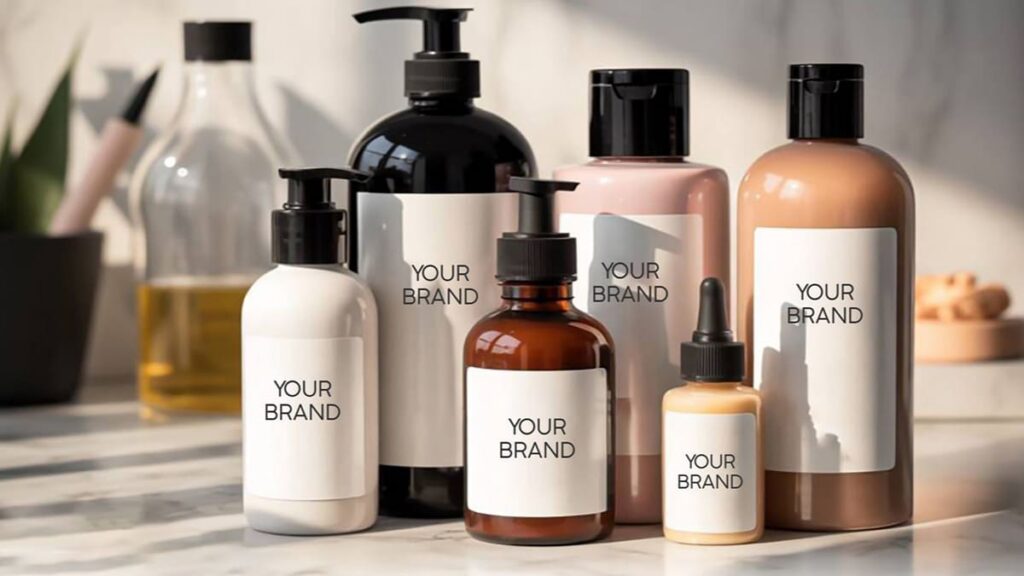
Private label means contracting a manufacturer to produce products built to your specifications and selling them exclusively under your brand name. You own the product identity.
This is the model behind most of the brands you see on Amazon and in specialty retail. The manufacturer makes the product. You brand it, price it, and market it. The customer sees only your brand.
How Private Label Works
If dropshipping feels like renting a business, a private label is closer to building one you actually own. You’re not just selling a product, you’re creating a brand around it. That means more effort upfront, but also more control, better margins, and something you can grow long-term.
The process does take more time than dropshipping, but it’s far more structured than most people expect. Once you understand the flow, it becomes much easier to execute.
Here’s how it typically works:
- Retailers identify a product category and conduct market research on demand, competition, and margins.
- They find a manufacturer willing to produce their formulation or modify an existing one.
- They then develop branding: name, logo, label, and packaging.
- They place an initial production run (often 100 to 500+ units depending on the product and supplier).
- Products are shipped to retailers or to a fulfillment center (3PL or Amazon FBA).
- Retailers sell through their own website, Amazon, retail, or other channels.
Some private label suppliers like BrandMeNow also offer direct-to-customer shipping, which removes the warehousing burden from you. They handle formulation, compliance, and private labeling across multiple product categories, which removes much of the operational friction that used to make private labels an exclusive play for large brands.
Benefits of Private Label
Here are the key advantages of building a private-label brand.
- Product exclusivity: One of the biggest advantages of private label is that you’re not selling the exact same product as everyone else. Even if the base product is similar, you can customize elements like packaging, features, or positioning. This creates a level of exclusivity, which helps you stand out and reduces direct competition.
- Higher profit margins: Another key benefit is better control over your margins. Since you’re sourcing directly from manufacturers and setting your own pricing, you’re not restricted by market rates. This typically results in higher margins compared to dropshipping, giving you more room to cover marketing costs and still stay profitable.
- Full branding control: Private label gives you complete control over how your product is presented. From the logo and packaging to the overall customer experience, everything reflects your brand. This consistency builds trust and makes your product more recognizable over time.
- Pricing freedom: Because your product is differentiated, you’re not forced to compete only on price. Instead of undercutting competitors, you can price based on the value you offer, whether that’s better quality, branding, or positioning. This makes your business more sustainable in the long run.
- Brand equity (long-term value): One of the most important benefits is that you’re building an asset. When customers buy your product, they associate that experience with your brand. Over time, this creates loyalty, repeat purchases, and a business that holds real long-term value.
Drawbacks of Private Label
Private label offers strong margins and full control over your product, but it also comes with a few drawbacks to consider. You need upfront capital to cover inventory, branding, and production, and there is always a risk that unsold stock ties up your money.
The launch process is slower compared to simpler models. It can take weeks or even months to go from idea to first sale. You also rely heavily on manufacturers for product quality and timelines, which can lead to delays or inconsistencies.
Switching products is not easy once you have invested in bulk inventory. In addition, sourcing from overseas often involves extra complexity such as customs, duties, and compliance requirements.
Who Is Private Label Best For?
Private label suits entrepreneurs, or creators who are serious about building a real brand, have some capital to invest, and are willing to play a longer game. It works particularly well for people who have already validated a product category (perhaps through dropshipping) and are ready to own the product rather than resell someone else’s.
It is also the right model for anyone whose end goal is building a business they can eventually sell.
What Is Print-on-Demand (POD)?
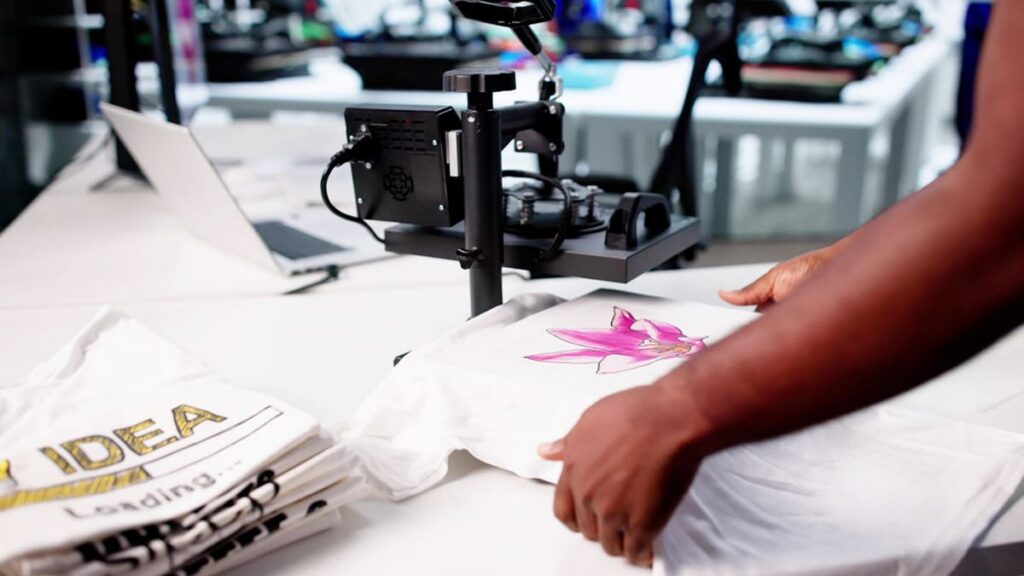
Print-on-demand is a fulfillment model where products are only manufactured after a customer places an order. Your designs get printed onto blank products, which are then shipped directly to your customer. You never hold inventory.
POD sits between traditional dropshipping and private label. Like dropshipping, there is no inventory risk. Like a private label, your brand lives on the product itself through your designs.
The process is straightforward. You create designs such as artwork, logos, or text-based graphics and upload them to platforms. You then connect your store using platforms like Shopify or Etsy. When a customer places an order, the platform handles everything from printing to packaging and shipping. You pay the base production cost and keep the difference as your profit.
Print-on-demand covers a wide range of products. The most common categories include apparel like t-shirts and hoodies, home items such as mugs and wall art, accessories like tote bags and phone cases, and even niche products such as pet items or baby clothing.
Why Print-on-Demand (POD)?
Print-on-demand removes inventory risk since products are made only after an order is placed. You don’t need upfront investment, and your designs become your main differentiator, which makes it a strong option for creators and beginners testing ideas.
However, a product that looks profitable at 30% margin can drop below 10% after ads. production costs, and shipping, which is where most beginners fail. You also have limited control over quality and face high competition, so strong designs and a clear niche are essential. It works well as a starting point, but scaling often requires moving beyond POD.
Dropshipping vs Private Label : The key differences
Choosing between dropshipping and private label is not just about how you start, but how you plan to grow. Both models let you sell online, but they differ in areas like control, investment, margins, branding, and long-term value. Each of these factors plays a direct role in how your business performs and scales over time.
To make this clearer, let’s break down the key differences across each of these areas.
Upfront Investment
Dropshipping and print-on-demand require minimal upfront capital, which makes them easy entry points. You can start with a small budget to set up a store, test products, and validate demand. Since you don’t hold inventory, most of your spending goes into tools and marketing rather than stock.
Private labeling demands upfront commitment. You invest in samples, product development, branding, and bulk inventory before your first sale. This initial cost is the main barrier, but it gives you full control over the product and the ability to build a long-term brand.
It’s worth noting that newer platforms like BrandMeNow are making private labelling more accessible. They handle customization, fulfillment, and even design support, which reduces the operational complexity and lowers the barrier for getting started.
Control Over Branding and Product
As mentioned earlier, the biggest limitation with dropshipping is control. Your branding mostly lives on your website, while the product itself remains generic and easily replaceable.
Print-on-demand improves this by letting you add your own designs, which creates some level of uniqueness. However, you still don’t control the product itself.
Private label is different. You’re involved in how the product is made, how it looks, and how it’s delivered. This level of control is what allows you to build a brand that customers actually remember.
Storage and Inventory Management
Dropshipping and print-on-demand remove inventory from your responsibilities. You only pay for products after you make a sale, and suppliers handle storage and fulfillment. This keeps operations simple and low risk.
Private label requires you to manage inventory. You need to store products yourself, use a fulfillment partner, or rely on services like Amazon FBA. This adds cost and complexity, but also gives you better control over shipping speed and customer experience.
Profit Margins Comparison
Margins vary significantly across these models. Dropshipping typically operates on lower margins because you are sourcing at near-retail prices and competing heavily on ads. Print-on-demand offers slightly better margins, especially if your designs are unique.
Private label products have the highest margin potential because you control manufacturing and pricing. However, these margins depend on actually selling your inventory. Unsold stock can quickly reduce profitability, which is why demand validation is important.
Scalability
Dropshipping and print-on-demand are easier to scale in the early stages. Since suppliers handle fulfillment, you can increase order volume without adding operational complexity.
The private label business model requires a different approach. As demand grows, you need to manage larger inventory orders, storage, and supply chain coordination. It takes more effort to scale, but it also creates a stronger foundation for long-term growth.
Risk Comparison
Each model carries a different type of risk. Dropshipping has low financial risk but high competition, which makes it harder to stand out. Print-on-demand sits in a balanced position with low financial risk and moderate competition.
The private label business model carries higher financial and inventory risk due to upfront investment. However, it has lower competition at the product level and offers stronger long-term defensibility when executed well.
Customer Experience
Customer experience is where the difference between these models becomes very clear. With dropshipping, most of the experience depends on the supplier. Shipping times can vary, packaging is usually generic, and there is very little brand connection after the purchase. In many cases, customers remember the product but not the store they bought it from.
Print-on-demand improves this slightly because your design is part of the product. Customers receive something that feels more personal and unique, even though you still don’t control packaging or fulfillment completely.
A private label gives you full control over the entire experience. You decide product quality, packaging, inserts, and presentation. This allows you to add personalized touches like thank-you notes, branded cards, or small extras that make the order feel intentional.
These details may seem small, but they play a big role in how customers perceive your brand, leading to better reviews, repeat purchases, and stronger word of mouth.
How to Find Suppliers for Each Model

Finding suppliers depends on the model you choose, and each comes with a different level of effort and complexity. Dropshipping and print-on-demand are relatively straightforward to start, while private label requires more research and due diligence.
For dropshipping, most beginners start with platforms like AliExpress or CJ Dropshipping, which offer a wide range of products and direct integrations with ecommerce stores. Tools like Spocket focus on US and EU suppliers with faster shipping, while Zendrop helps automate fulfillment.
For print-on-demand, the process is simpler since platforms handle both production and fulfillment. Most widely used platforms, offering a broad catalog of products and easy integrations.
Private label requires a more hands-on approach. Marketplaces like Alibaba and Global Sources are common starting points for finding overseas manufacturers, but they require careful vetting. You need to evaluate suppliers, request samples, negotiate terms, and ensure quality standards before placing bulk orders.
To simplify this process, some entrepreneurs choose to work with platforms like BrandMeNow, which handle product development, packaging, and compliance in one place. This removes the need to manage multiple suppliers and reduces the complexity of launching a private label product.
Which Business Model Is Right for You?
The right model depends on your goals, budget, and how seriously you want to build a long-term brand. Some approaches are better for testing and learning, while others are built for ownership and scale.
If you’re just starting out, dropshipping is often the easiest way to enter. It allows you to test products, understand how marketing works, and get real experience without putting much money at risk. The trade-off is that you’ll deal with higher competition and lower margins, so it’s better suited for learning or short-term wins rather than building a lasting brand.
Print-on-demand sits in a slightly different position. It works best if you have a creative angle or an audience. Instead of competing on the same products, you’re selling your designs, which gives you some level of uniqueness. It’s a practical option if you want something low-risk that can grow alongside your personal brand or content.
Private label is a different level of commitment. It makes sense when you’re ready to invest in building something long-term. You’re not just testing products anymore, you’re creating a brand with control over the product, pricing, and customer experience. It takes more time and capital upfront, but it’s also the only model here that can turn into a scalable and sellable business.
Conclusion
There’s no single best model, only the one that fits your current stage.
Dropshipping is the easiest place to start. It helps you learn, test products, and understand the market with minimal risk, but it’s hard to build long-term value with it. Print-on-demand sits in between, offering some differentiation through designs while still keeping risk low, but scaling remains limited.
Private label is where real brands are built. It takes more investment and time, but gives you control, better margins, and long-term value. If you’re moving in that direction, platforms like BrandMeNow can simplify the process by handling sourcing, branding, and logistics.
Start with what you can, but aim toward ownership once you know what works.
Frequently Asked Questions for Private Label Dropshipping
1. Is print-on-demand worth it in 2026?
Yes, it’s still a solid option, especially for creators, niche brands, and anyone with a unique design angle. The biggest advantage is zero inventory risk, which makes it easy to start and test ideas. However, success depends heavily on design quality and positioning, since the barrier to entry is low and competition is high. It works best when paired with a specific audience or brand identity.
2. Is dropshipping still profitable in 2026?
Dropshipping can still be profitable, but it’s no longer as easy as it once was. Margins are tighter, ad costs are higher, and competition is intense. It works well for testing products and learning how ecommerce and marketing work. For long-term growth, most sellers eventually move toward more controlled models like private label.
3. Is private label the same as white label?
They are similar but not the same. White label usually means selling a standard product with your brand added, with little to no customization. Private label goes further by allowing you to modify the product, packaging, or positioning. This added control is what helps build stronger brand differentiation.
4. Which business model is best for beginners?
For most beginners, dropshipping or print-on-demand are the easiest ways to start. They require minimal upfront investment and allow you to learn by doing. Private label is better suited for later stages, once you’ve validated a product and understand your market.
5. Is private labeling profitable?
Yes, private label has the highest profit potential among these models. Since you control sourcing and pricing, margins are typically stronger. More importantly, you’re building a brand, which leads to repeat customers and long-term value. The trade-off is higher upfront investment and risk.